
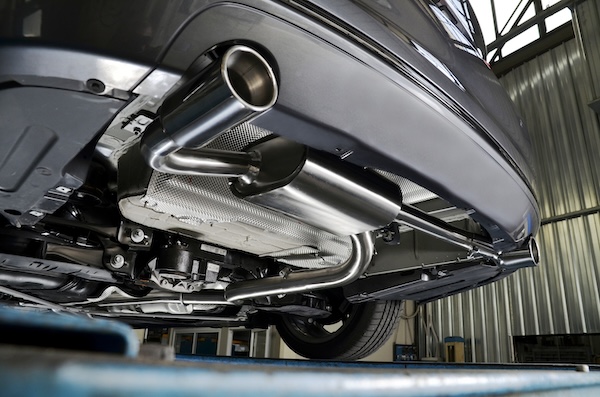
If your car suddenly sounds louder than usual, rattles when you start it, or makes an odd humming noise while driving, your muffler may be trying to get your attention. The muffler is a key part of your vehicle’s exhaust system, designed to reduce noise, direct harmful gases away from the engine, and help your car run efficiently. When it starts to fail, it’s not just an annoyance. It can affect performance, fuel economy, and even safety.
Understanding common muffler problems and knowing when to seek repairs can save you money and prevent more serious exhaust system damage.
What Does the Muffler Do
The muffler dampens the sound waves generated by exhaust gases exiting the engine. As those gases travel through the exhaust system, the muffler uses chambers and perforated tubes to reduce noise before the gases exit through the tailpipe. It also plays a role in controlling backpressure, which helps maintain proper engine performance.
When the muffler is damaged or deteriorating, noise levels increase, and exhaust flow may be disrupted, leading to additional vehicle issues.
Rust and Corrosion
Rust is the most common cause of muffler failure. Mufflers are exposed to moisture, road salt, and temperature changes every time you drive. Over time, this exposure leads to corrosion, especially in areas with harsh winters or frequent rain.
As rust eats away at the metal, small holes can form. These holes allow exhaust gases to escape prematurely, causing louder exhaust noise and sometimes a noticeable drop in performance. In advanced cases, rust can weaken the structure so much that parts of the muffler break apart.
Holes and Exhaust Leaks
A hole in the muffler or exhaust piping often starts small but grows quickly. Even a minor leak can create a loud rumbling or hissing sound, particularly during acceleration. Exhaust leaks are more than just noisy—they can allow harmful gases like carbon monoxide to enter the cabin if not properly vented.
Leaks may also trigger a check engine light, since the exhaust system plays a role in emissions monitoring. Addressing leaks early helps prevent additional damage to sensors and other exhaust components.
Loose or Broken Hangers
The muffler is supported by metal and rubber hangers that keep it securely positioned under the vehicle. Over time, these hangers can loosen, crack, or break entirely. When this happens, the muffler may hang lower than normal or rattle against the underside of the car.
A loose muffler often produces clunking or banging noises when driving over bumps. While the muffler itself may still be intact, ignoring damaged hangers can lead to further stress on the exhaust system and eventual failure.
Internal Muffler Damage
Not all muffler problems are visible from the outside. Internal components can break down due to age, excessive heat, or impacts from road debris. When internal baffles or chambers fail, the muffler may lose its ability to reduce noise effectively.
This type of damage often results in a deep, hollow sound or inconsistent noise levels. Internal failure typically means replacement is necessary, as internal components are not usually repairable.
Common Muffler Repairs
The type of repair needed depends on the extent of the damage. Minor issues can sometimes be fixed without replacing the entire muffler, while more severe damage may require a full replacement.
Typical muffler-related repairs include:
- Sealing or welding small holes and cracks
- Replacing damaged exhaust hangers
- Muffler replacement due to rust or internal failure
A professional exhaust inspection helps determine whether a repair or replacement is the best option for your vehicle and budget.
Why You Shouldn’t Ignore Muffler Problems
Driving with a damaged muffler can lead to more than just excessive noise. Exhaust leaks can reduce fuel efficiency, degrade engine performance, and increase emissions. Prolonged exposure to exhaust fumes can also pose health risks.
Additionally, a failing muffler can place stress on other exhaust components, leading to more costly repairs down the line. Addressing problems early keeps your vehicle quieter, safer, and more efficient.
Warning Signs to Watch For
Pay attention to changes in how your car sounds and feels. Loud exhaust noise, rattling under the vehicle, reduced fuel efficiency, or exhaust smells inside the cabin are all signs that your muffler or exhaust system may need attention.
Exhaust systems are complex, and proper repairs require the right tools and expertise. A qualified technician at our shop can safely inspect your muffler, identify the root cause, and recommend the most effective solution.
Schedule Your Muffler Service in Gainesville, FL
If your vehicle is louder than usual or showing signs of exhaust trouble, get in touch with our auto repair shop today to schedule a muffler inspection. At Advanced Auto Care Center Florida, we help restore quiet performance and ensure your exhaust system is working as it should.
Recent Posts
- Will It Damage My Engine If I Continue To Drive My Car With The Check Engine Light On?Vehicles have an inbuilt computer diagnostic system that alerts drivers of potential problems. While the warning light signals vary, the most dreaded is the check engine light. It signals engine and emission problems. Can You Drive with the Engine Light On? The check engine light turns on for varied reasons. When it illuminates, remain calm… Read more: Will It Damage My Engine If I Continue To Drive My Car With The Check Engine Light On?
- Why Is My Steering Wheel Hard To Turn?Nowadays, driving is made easier with advancements in the automotive industry, which is why a stiff steering wheel may throw you off. If your steering wheel has felt harder to turn, your first intuition may be to stop driving and pay a visit to an auto repair shop. At a trusted auto service shop like… Read more: Why Is My Steering Wheel Hard To Turn?
- Why Is My Car’s Power Steering Making Noise?No one enjoys hearing strange noises from their car, especially when they come from the steering system. Power steering is designed to make driving more effortless, so when it starts groaning, whining, or squealing, it’s hard not to feel concerned. If your power steering is making noise, it’s trying to tell you something is wrong.… Read more: Why Is My Car’s Power Steering Making Noise?
- Why Is My Car A/C Blowing Warm Air?An optimally functioning air conditioning system is a MUST for those of us in Gainesville, FL, as temperatures keep hiking up. Imagine hopping into your vehicle on a hot, summer day only to be welcomed with hot air. Nobody wants to experience this! Why is your car blowing warm air even when you have the… Read more: Why Is My Car A/C Blowing Warm Air?
- Why Does My Car Smell Like Old Gym Socks When I Turn On The Air?It is one of the most unpleasant surprises your car can throw at you: a smell that reminds you of old gym socks, a damp towel, or something that has been sitting wet for far too long. At our shop, we hear this complaint all the time, especially when temperatures start rising and people begin… Read more: Why Does My Car Smell Like Old Gym Socks When I Turn On The Air?